
Jingfu Temple
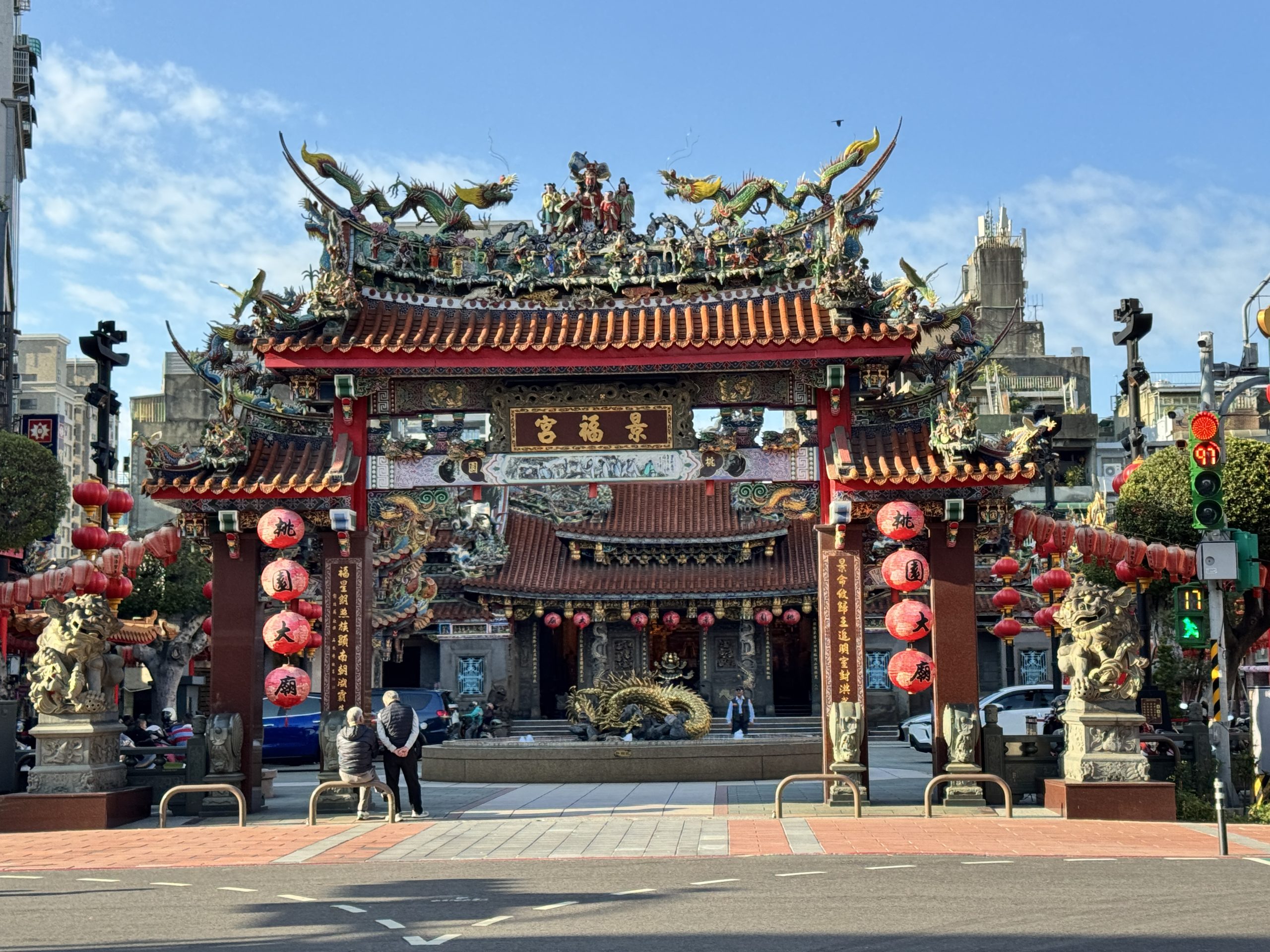
Located in the heart of the city, Taoyuan's Jingfu Temple is both a sacred religious site and a testament to cultural history. As a vital center of faith in the Taoyuan region, Jingfu Temple—affectionately known as the 'Big Temple'—has long been deeply woven into the daily lives and sentiments of local residents. Furthermore, its vibrant festival celebrations have made it a popular highlight for cultural tourism.
Taoyuan 77 Cultural Streets
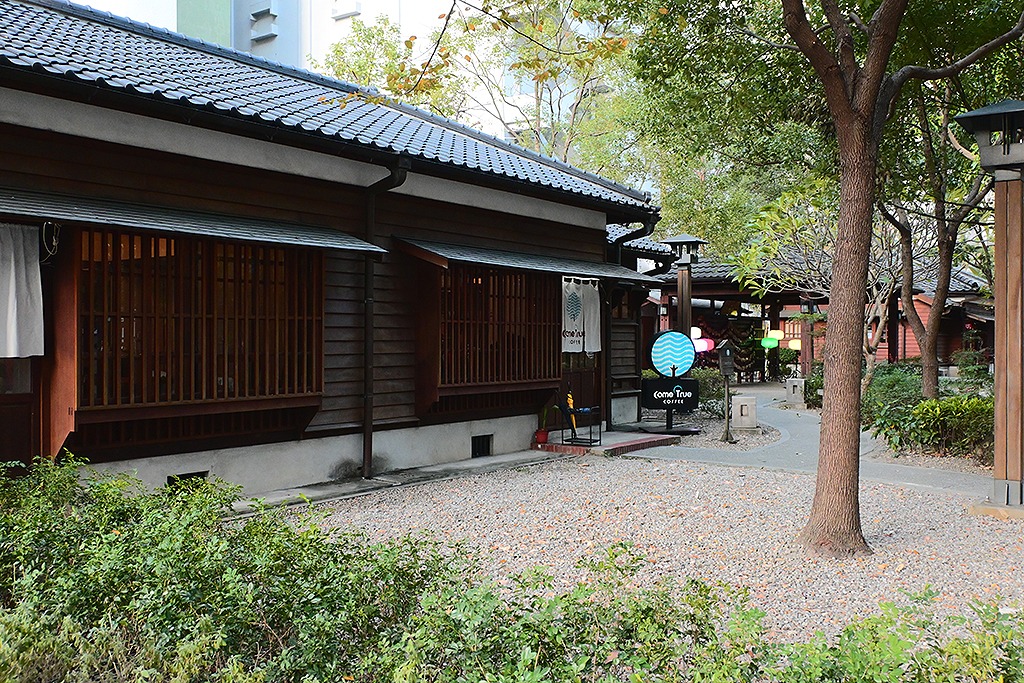
Originally known as the 'Taoyuan Police Bureau Japanese-Style Dormitories,' this site served as official quarters during the Japanese colonial era and later as residences for police dependents after the post-war handover. Registered as a historic building of Taoyuan City in 2012, it is one of the few well-preserved Japanese wooden dormitory complexes in Taoyuan. Following its restoration and revitalization, 'Taoyuan 77 Cultural Streets' received its name through a public citizen vote, blending the essence of its Japanese-era architecture with its address on Lane 77, Zhongzheng Road. Characterized by classic Japanese police housing, the park fuses cultural heritage with creative industries—hosting art exhibitions and community events to breathe new life into historic spaces, create a relaxing urban haven for residents, and establish a vibrant new landmark in Taoyuan's old town district.
Taoyuan Railway Vision Pavilion
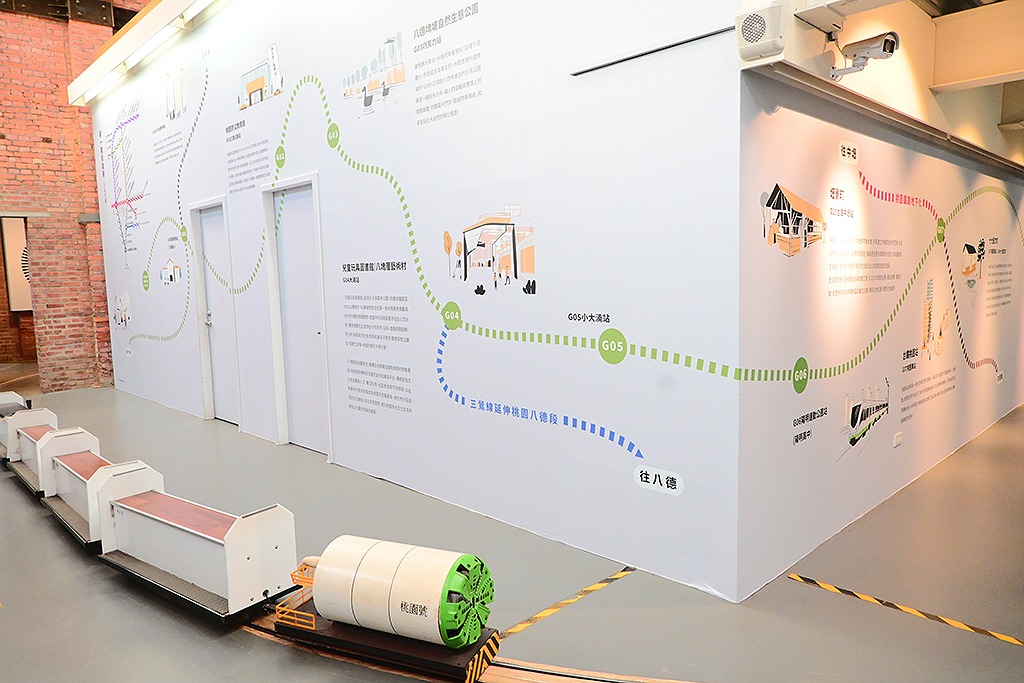
Preserving the historical legacy of Taoyuan Railway Station, the Taoyuan Railway Vision Pavilion has been revitalized through a fresh, innovative approach. Inside, visitors will find exhibition spaces dedicated to Taoyuan's railway history, a rideable mini-train experience, a 3D interactive multimedia zone, a railway and train model display, a rail transit library, and a citizen inquiry desk. Outside, the pavilion features an open plaza for community events and proudly showcases Taiwan's first open-air display of an actual tunnel boring machine (TBM)—bringing together the past, present, and future of Taoyuan's railway network!
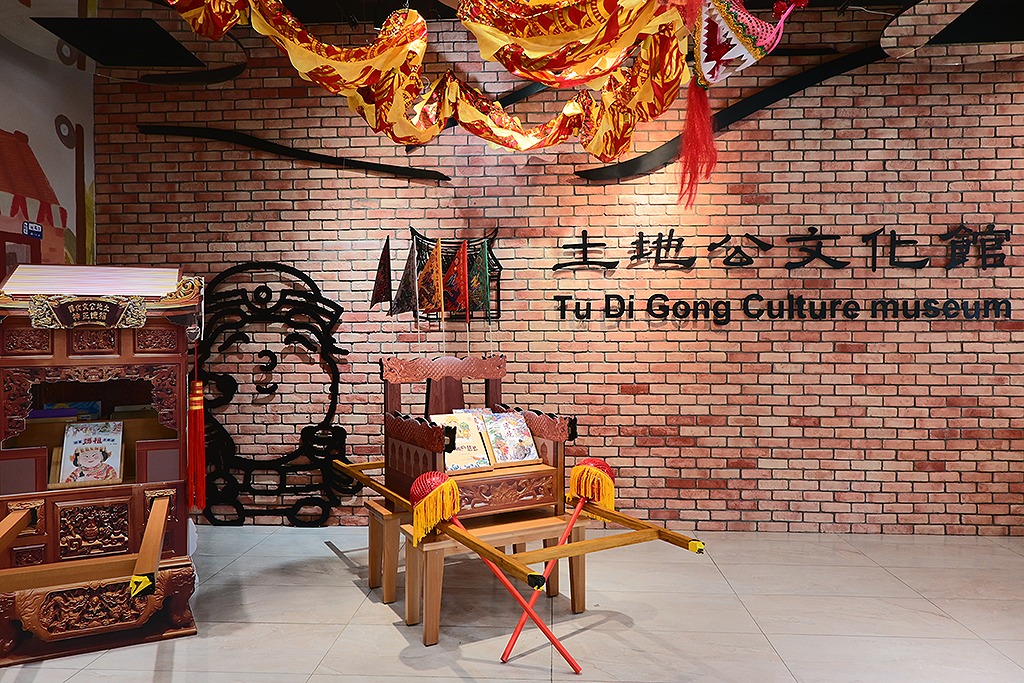
Taoyuan Tudigong Cultural Museum
With an average of over seven Tudigong (Earth God) shrines per square kilometer, Taoyuan District boasts the highest density of such shrines in all of Taiwan. To promote Tudigong faith and heritage, the museum's first floor houses Fude Temple—Taoyuan's first publicly owned shrine. Its resplendent altar, richly painted beams and pillars, and vigorously carved stonework showcase the magnificent grandeur of traditional temple architecture. As a city-managed facility, Fude Temple declines incense donations and discourages both the burning of joss paper and the lighting of incense, championing eco-friendly worship practices.
Xinmin Old Street
Divided into two sections by Zhongzheng Road, the western stretch of Xinmin Old Street near Wenchang Park still preserves traditional shops such as rice merchants and bridal dowry stores. In the days of the old Xinmin Market, this area bustled with vendors and shops selling everyday essentials—everything from hardware and groceries to rice and fabric could be found here. Naturally, during festivals and holidays, Xinmin Street was packed with crowds of shoppers. While those bustling old days have passed, savoring a bowl of traditional rice noodle soup at a storied corner shop, enjoying fragrant fried-shallot 'traveler's rice' (Guoke Fan), or trying sweet-and-savory 'Tianmili' rice with side dishes offers a wonderfully nostalgic way to experience the street's heritage.
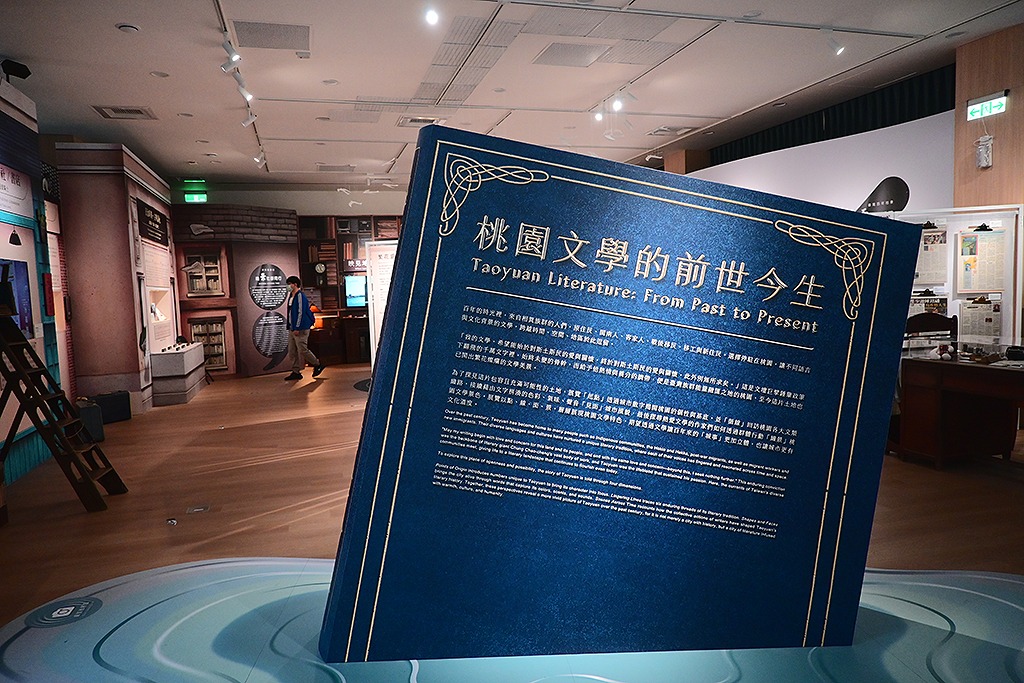
Taoyuan Museum of Literature
Located in the historic heart of Taoyuan District—an area once known as Taozaiyuan Street and Taozaiyuan Walled City—the Taoyuan Museum of Literature sits between Zhongxiao Street and Lane 5, Dongguo Street, with primary access via Dongguo Street, Chenggong Road, and Zhongshan East Road. The museum is surrounded by bustling local hubs, including Taoyuan's landmark Jingfu Temple (the "Big Temple") and the vibrant Dongguo Commercial District along Zhongshan East Road. To foster regional cultural development and revitalize heritage spaces, the Taoyuan City Government transformed these Japanese-era municipal dormitories into an inspiring center dedicated to the appreciation, promotion, exchange, and enrichment of literature. Featuring an architectural facade inspired by open books—a metaphor celebrating the richness and depth of literature—the museum provides an engaging platform for learning and community exchange across all generations, standing as a prominent cultural landmark of Taoyuan.
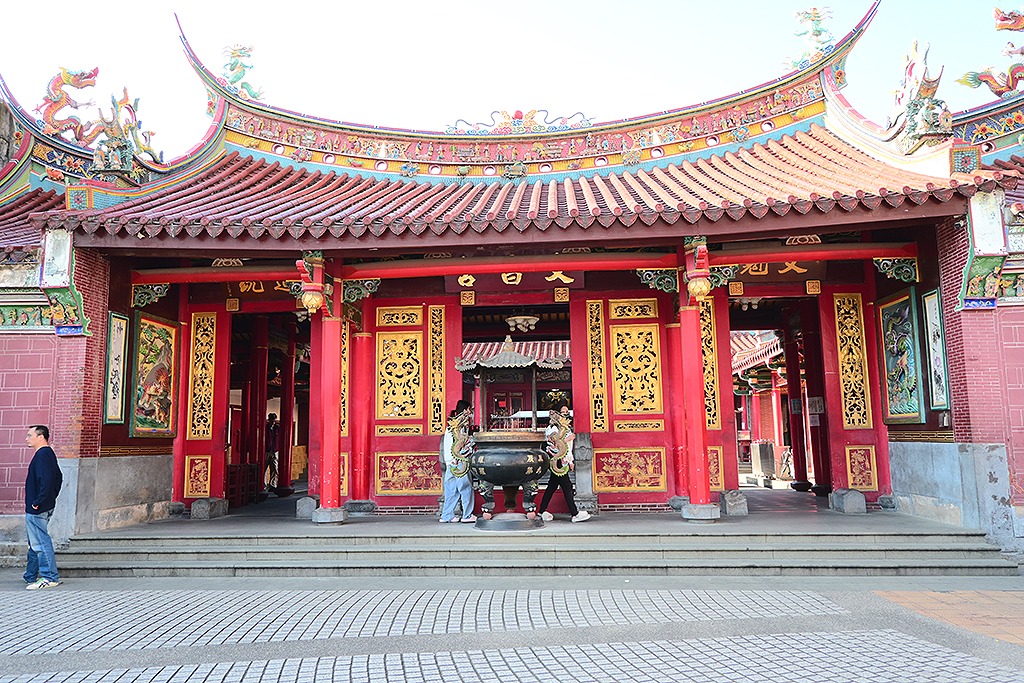
Taoyuan Wenchang Temple
Taoyuan Wenchang Temple was founded in 1867 (the 6th year of the Tongzhi reign, Qing dynasty). At that time, Yan Jinqing, the Sub-prefect of the Danshui Sub-prefecture (Danfang Ting), consulted with regional gentry and scholars—including Li Teng-fang (a provincial degree holder /juren from Dakekan), local tribute scholar (gongsheng) Jian Ming-zhong, and licentiates (xiucai) Wu Wei-bang and Yan Zong-lian. Together, they planned the establishment of "Mingshan Hall" to advance literary education and moral enlightenment. Later, commissioned under official deliberation, the group resolved to construct a dedicated Wenchang Temple. They raised funds across the Taojianbao region (encompassing present-day Taoyuan, Zhongli, Nankan, and Haishanbao—now Daxi and Yingge) primarily from the Zhangzhou immigrant community to erect a two-story building. In 1896 (Meiji 29 of the Japanese colonial period), stipend scholar (linsheng) Cai Lu and other community leaders gathered donations to expand the front hall and the left and right wing corridors, forming the architectural layout seen today.
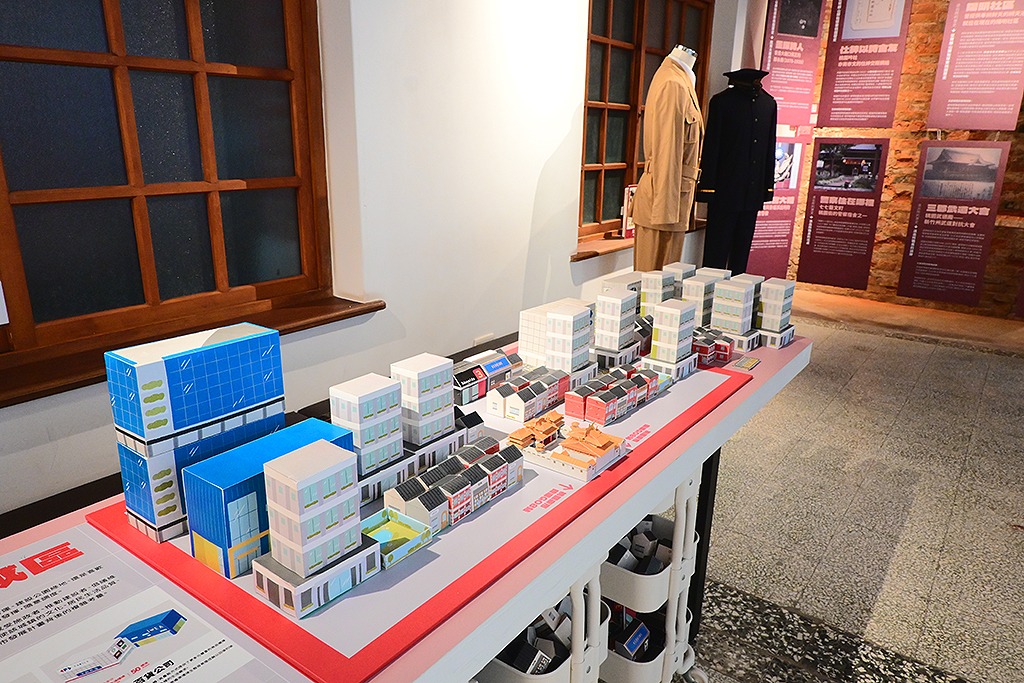
Damiaokou Police Station
Located to the east of Jingfu Temple—the spiritual and cultural heart of Taoyuan City—the Damiaokou Police Station was built in 1927 (Showa 2) as an urban police substation (kōban). The first floor served as the active police office, while the second floor was used as the joint assembly room for the local Baojia system, equipped for civil defense corps (Zhuangding Tuan) and local firefighting units. It stands as a rare historical witness preserving both the Japanese-era police administrative structure and remnants of the Qing-dynasty Baojia community security system. On February 16, 2017, in accordance with Article 18 of the Cultural Heritage Preservation Act and official review resolutions by the Taoyuan City Cultural Heritage Review Committee, the "Former Taoyuan Damiaokou Police Station" was officially registered as a municipal historic building.
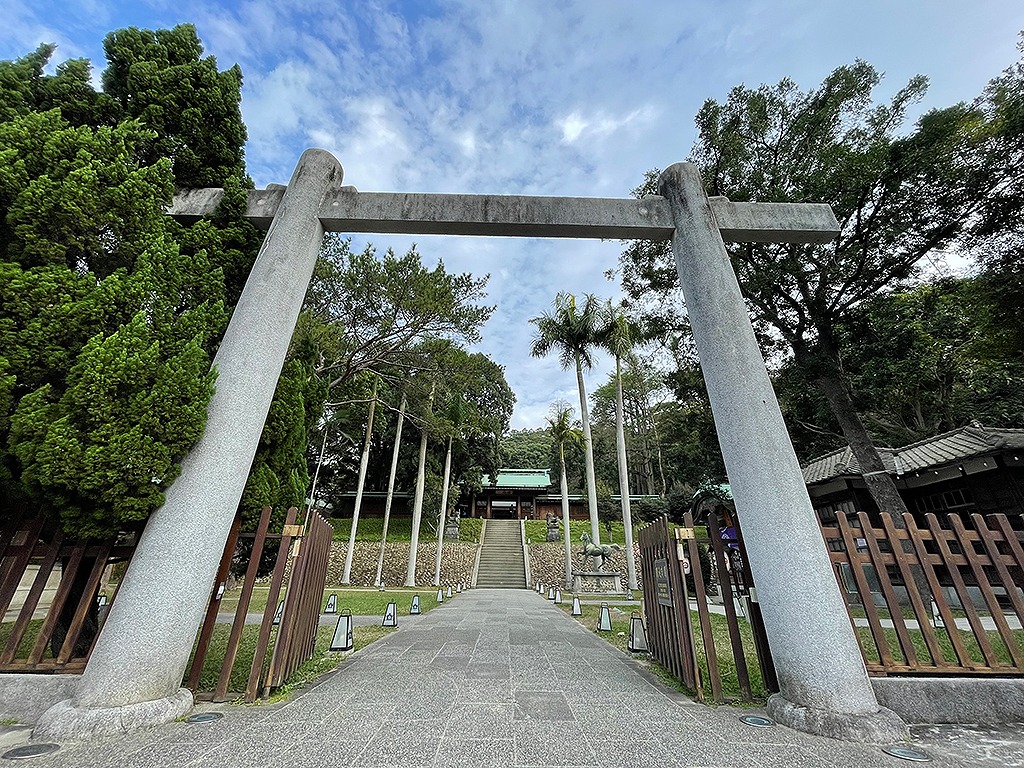
Taoyuan Martyrs' Shrine and Cultural Park
Located on Hutou Mountain in Taoyuan City, the Taoyuan Martyrs' Shrine was completed in 1938. Originally built by the Japanese as the Taoyuan Shinto Shrine, it stands as the most completely preserved Japanese-era shrine in Taiwan. Its distinctive architectural style blends ancient Chinese Tang dynasty aesthetics, traditional Japanese forms, and modern Taiwanese influences, all constructed from premium Taiwan cypress (hinoki). In 1994, it was officially designated as a city-level historic monument. Thanks to its remarkable historical and cultural value, the complex was chosen as a filming location for the acclaimed film KANO, immersing viewers in the vivid memories of the 1930s.
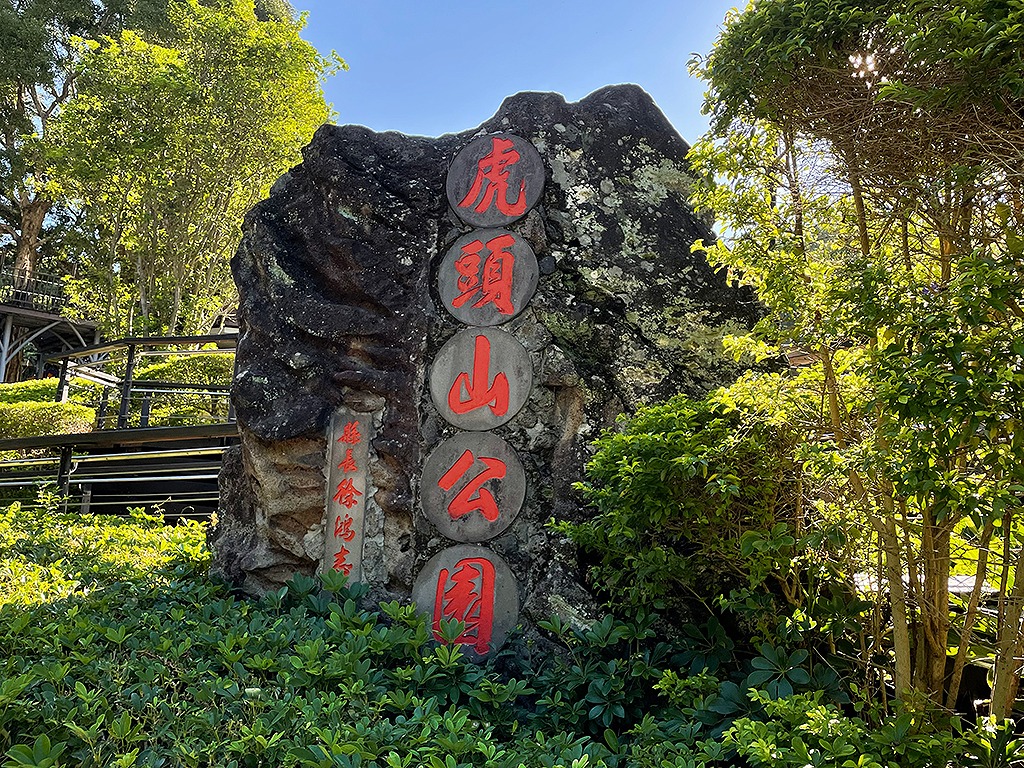
Hutou Mountain Park
When it comes to popular recreational getaways in Taoyuan, Hutoushan Park (Hutou Mountain Park) is always at the top of the list. Situated just minutes from the city center yet offering the serene charm of a hidden forest sanctuary, it is affectionately celebrated as the "Backyard Garden of Taoyuan." Spanning 15 hectares, Hutoushan Park forms an integral part of the Hutoushan Scenic Area, seamlessly linking landmarks such as Sanfenshan, the Taoyuan Martyrs' Shrine, and local ecological parks. With lush woodlands, verdant landscapes, and a well-planned trail network, the park allows visitors to effortlessly reconnect with nature.
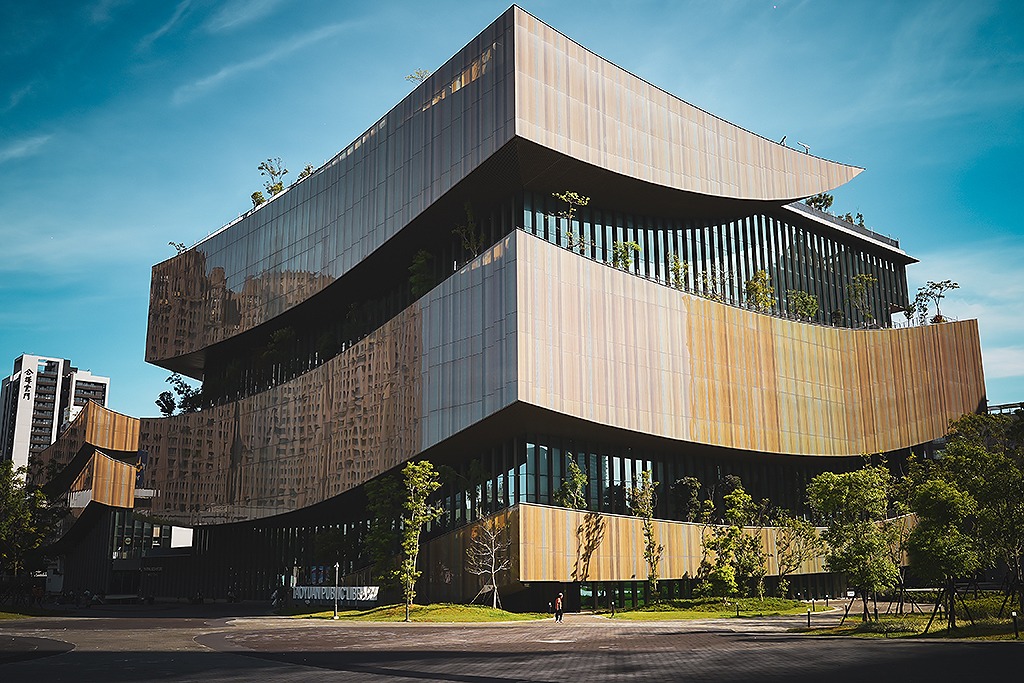
Taoyuan Main Library
Inspired by the concept of the "Life Tree," the new Main Library of Taoyuan Public Library spans eight stories and houses a collection of nearly one million books. Acclaimed as "Taiwan's Most Beautiful Library," it invites you to explore Taoyuan’s newest cultural landmark and immerse yourself in a brand-new reading experience!
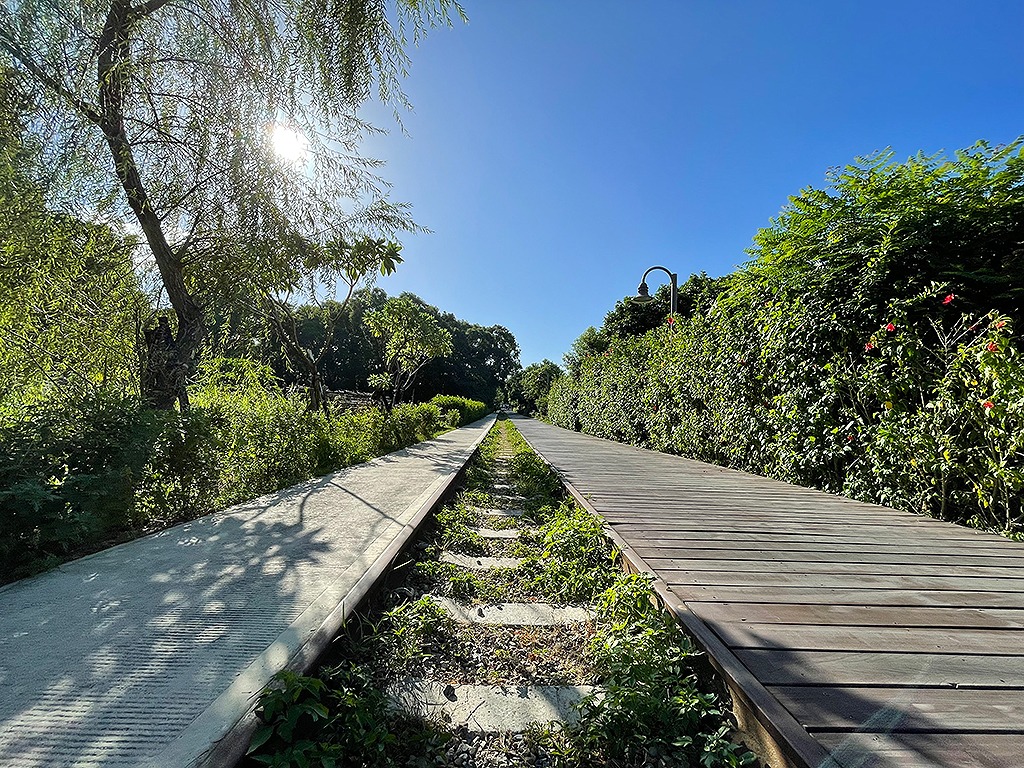
Taolin Railway
Revitalized into a 15.8-kilometer green corridor, the Taolin Railway Greenway weaves together local history, dedicated bike paths, and ecological greenbelts. Stretching across the Guishan, Taoyuan, and Luzhu districts, it provides residents and visitors with a serene space for walking and cycling, offering a seamless blend of urban life and nature.
Taoyuan Cinema Hall 2
From Chenggong Elementary School and the century-old Jingfu Temple to the bustling Taoyuan Fruit and Vegetable Wholesale Market, every corner of this culturally rich old town district reflects the evolution of the city. Nestled along Puxin Road, Taoyuan Arts Cinema (Taoyuan Cinema Hall 2) is deeply woven into the local neighborhood fabric. By curating diverse film programs spanning arthouse cinema, classic retrospectives, and family-friendly screenings, it has established itself as an essential cultural and cinematic arts hub for the community.
Granary Theater
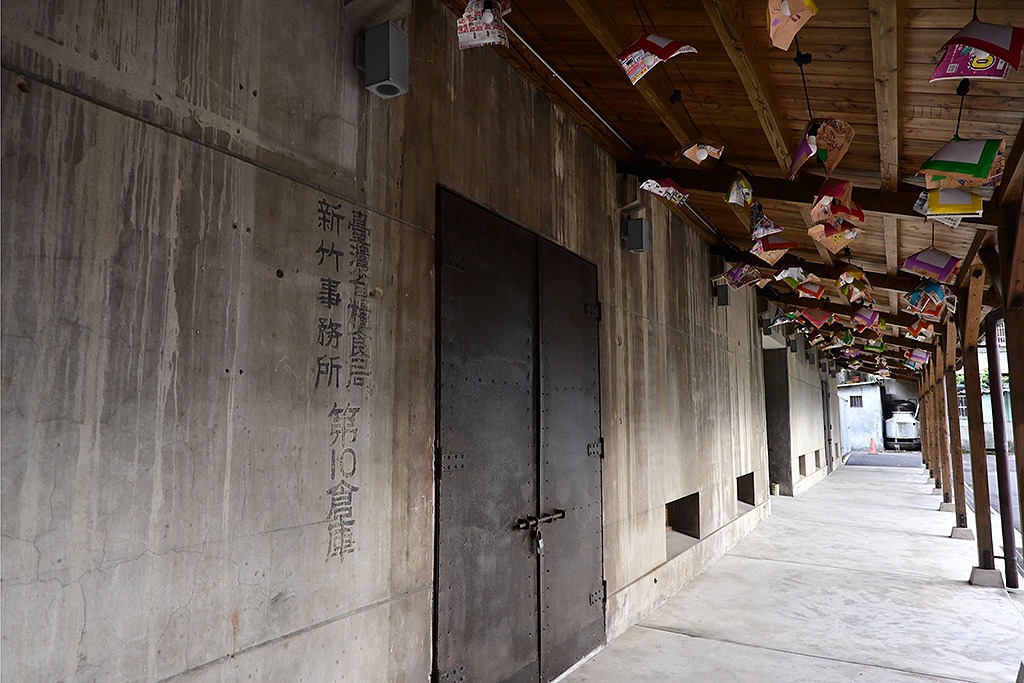
Originally known as the "Taoyuan County Rice Control Cooperative Warehouses," the Granary Theater is located in the heart of Taoyuan District. Constructed in 1936 (Showa 11) during the Japanese colonial era in accordance with the Rice Autonomous Control Act, the complex originally served as grain storage for requisitioned rice. Built with brick masonry in a Dutch bond pattern, the granaries feature large-span wooden roof trusses and ventilation windows specifically engineered to prevent high temperatures from spoiling the stored grain. In March 2017, community members petitioned to preserve the site, initiating its cultural heritage protection process. Following multiple on-site assessments and consultations, the proposal was submitted to the Cultural Heritage Review Committee in July, leading to its official registration as a Taoyuan municipal historic building in November of that year. Leveraging the structure’s soaring interior and open, large-span timber framing, the warehouses were retrofitted with professional theatrical lighting and acoustic systems. Restored and revitalized as the 150-seat "Granary Theater," the venue now serves as an experimental incubator dedicated to nurturing the growth of local performing arts troupes in Taoyuan.
13 Handmade Bakery
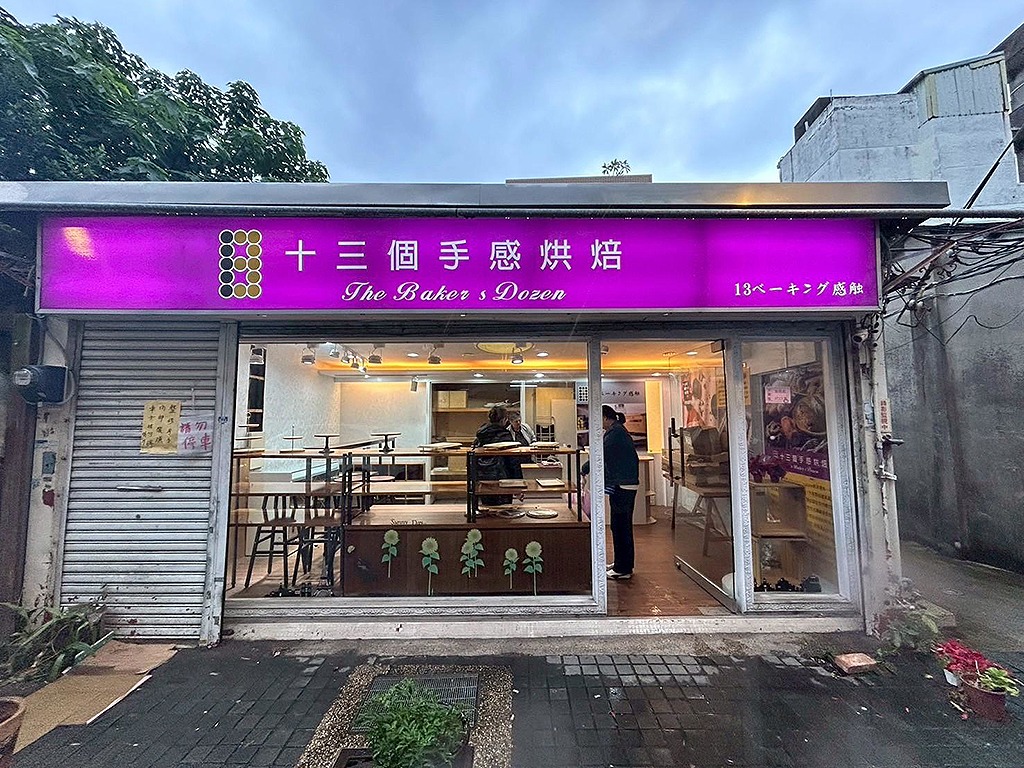
Responding to consumer demand for food safety with genuine ingredients and heartfelt dedication, this specialty bakery champions Indigenous agricultural produce and culinary traditions. By seamlessly blending cultural experiences with healthy eating, it has established itself as a distinctive signature brand in Taoyuan's Old Town, filling the historic streets with the warm, comforting aroma of freshly baked bread.
Muxue Ice Town
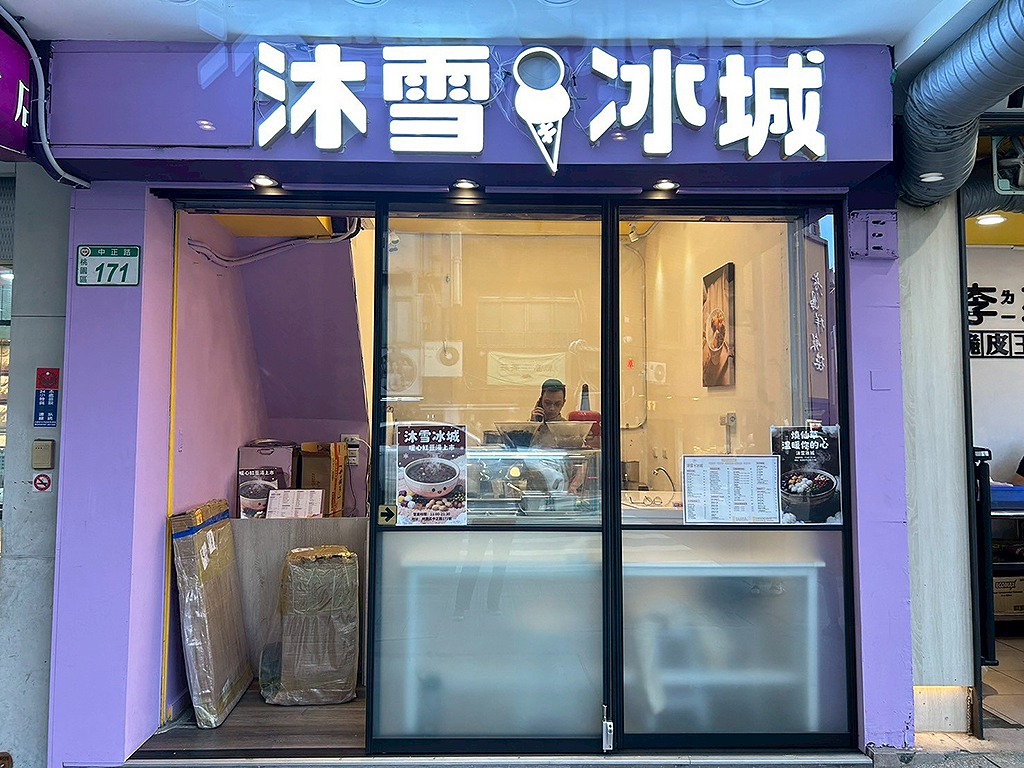
Carrying forward the essence of classic Taiwanese desserts through vibrant, colorful taro balls, this dessert parlor brings a modern twist to tradition. By infusing ingredients with fresh, all-natural elements to create lively colors, it ensures that every bite remains deliciously authentic while preserving the wholesome, natural flavors of the ingredients—adding a fresh burst of color to Taoyuan's historic Old Town.
Shenming Egg Waffles
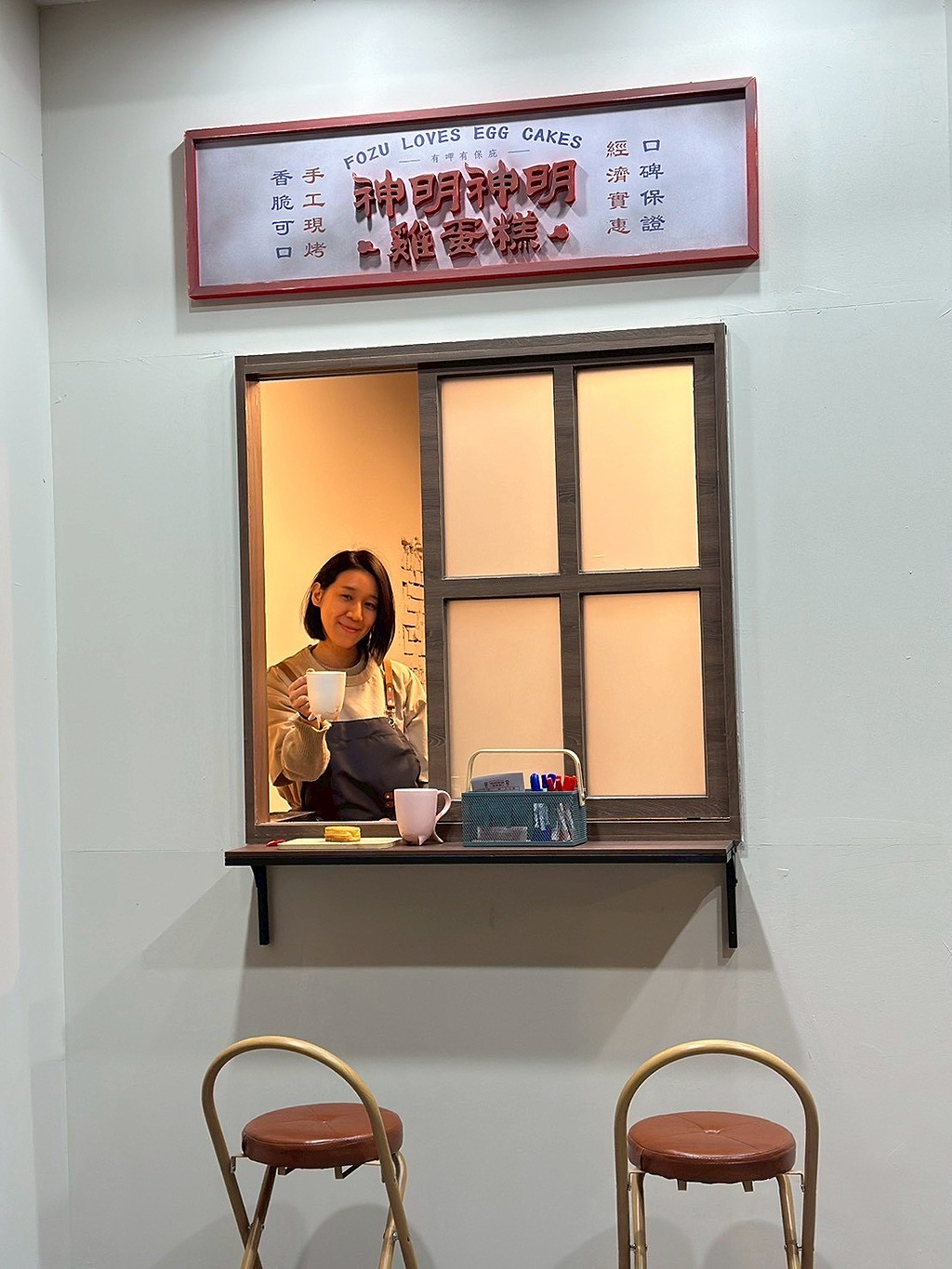
Born from a deep appreciation for Taiwan’s folk culture and spiritual traditions, this egg cake stall bridges rich history with modern creativity along the historic street. Developing a distinct local identity, it transforms a classic street snack into an immersive cultural experience—using the imagery of folk deities as a vessel so that every bite delivers not only delicious flavor, but also a meaningful taste of local heritage and faith.
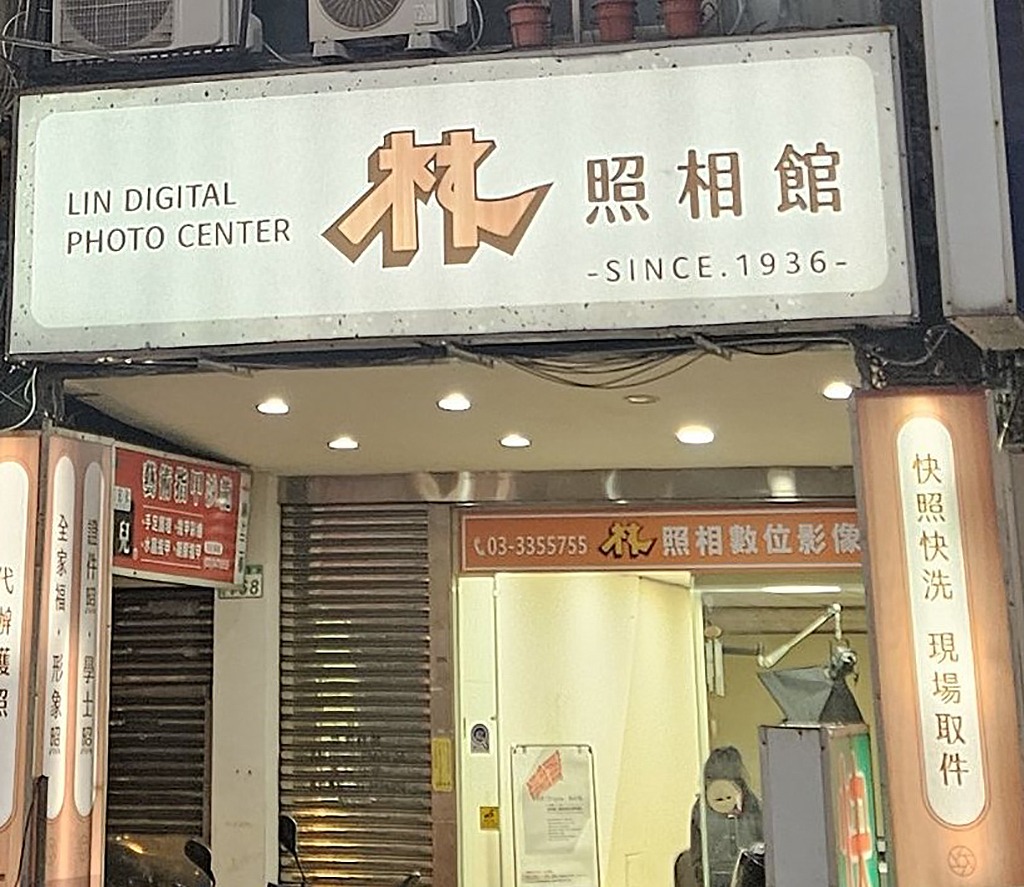
Lin's Photo & Digital Imaging
A long-established photo studio with over 80 years of history, specializing in ID photos and family portraits.